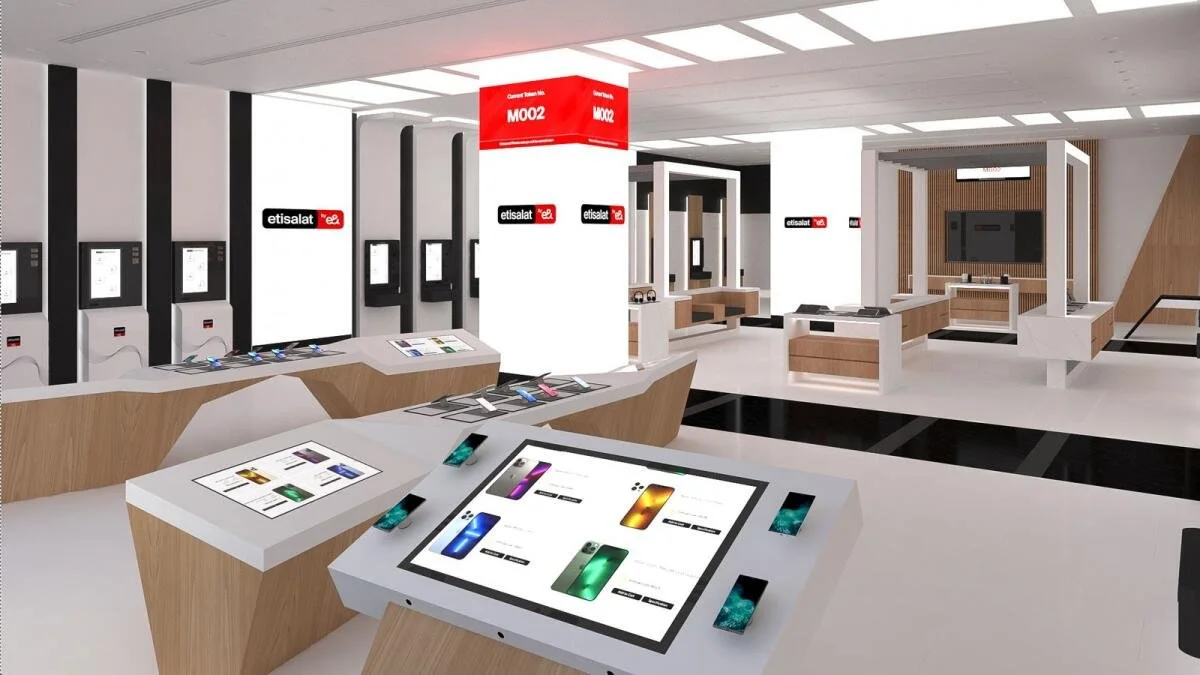
Designing a Staffless Retail Operating SystemEtisalat by e&, the UAE's leading telecom provider, set out to explore a bold new retail model: fully autonomous, staffless stores capable of operating 24/7 through AI, computer vision, IoT, and robotics.
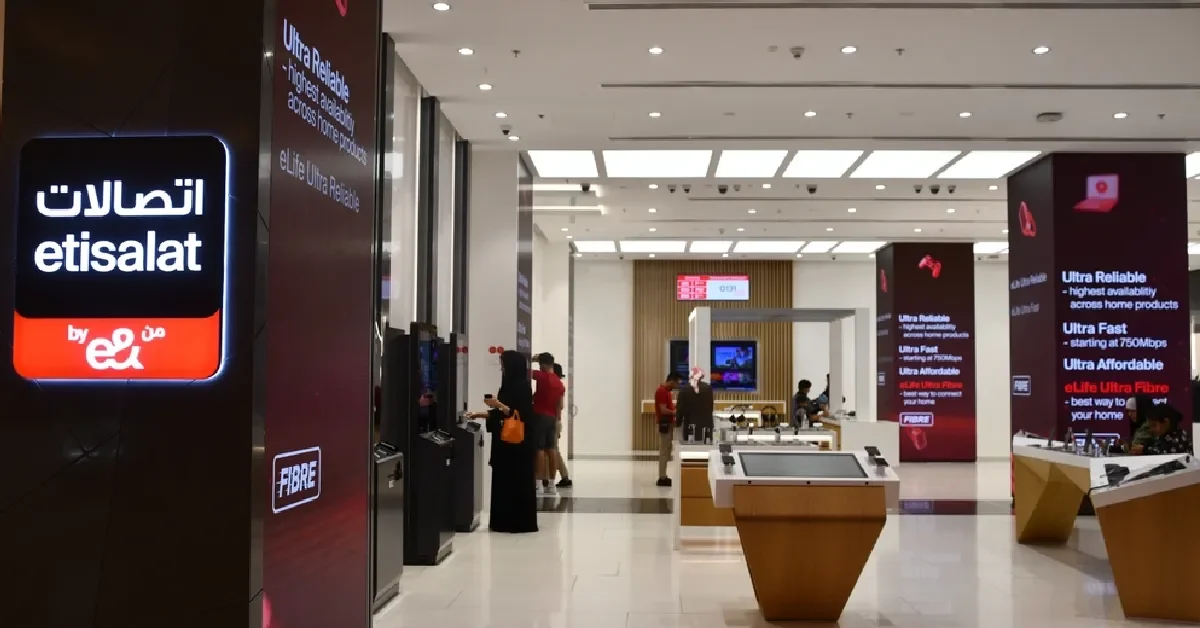
This initiative—EASE (Etisalat Autonomous Store Experience)—was not a traditional retail redesign. It required rethinking how customer access, identity, inventory, payment, support, and recovery would function without human staff present.
At the time of the RFP, Amazon Go's "Just Walk Out" technology was not commercially available or deployable in the UAE. If a turnkey autonomous retail solution had been available in-region, it would have been the obvious choice. Because it was not, Etisalat required bidders to demonstrate how a complete autonomous retail system could be assembled from multiple vendors and operated reliably as a single system.
Amdocs was invited to respond to this competitive RFP, with Accenture as the primary competing systems integrator. I was engaged as Strategy Director to lead the UX systems design and requirements definition needed to translate this ambition into a coherent, evaluable operating model.
Overview
Role: Strategy Director — UX Systems Design & Requirements Ownership
Client: Etisalat by e&
Industry: Telecom / Autonomous Retail
Engagement Type: RFP Strategy, UX Systems Design, Technical Specification
Focus: Systems thinking, requirements definition, operational readiness, cross-functional, and cross-vendor alignment
Tools: MIRO, Zoom, Figma, Dovetail, InVision, Trello, Slack, PowerPoint
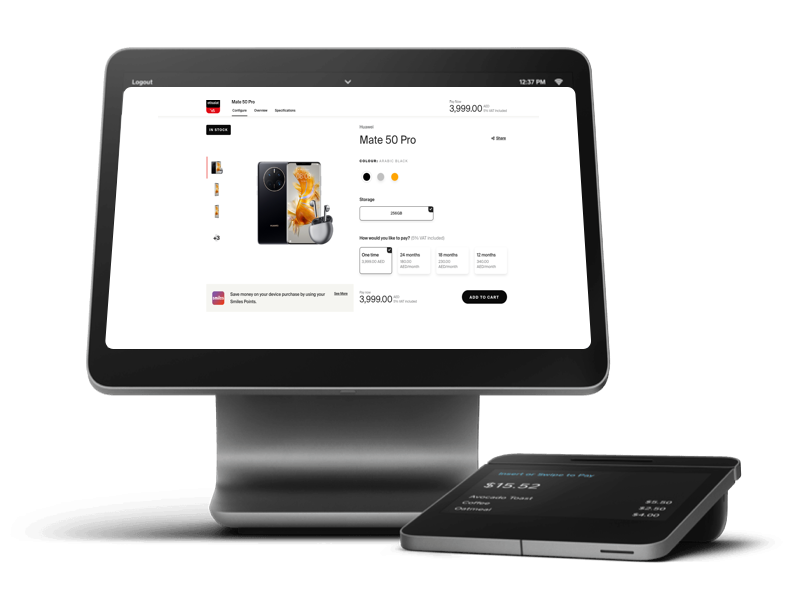
The client requested a solution for the supply, integration, and implementation of autonomous retail stores.
However, early analysis made it clear that the real challenge was not selecting technology components, but proving system-level feasibility under real constraints:
No out-of-the-box autonomous retail platform was available in the region
No single vendor could provide all the required capabilities
Hardware, AI, identity, payment, and operations would need to be orchestrated across partners
Responsibility boundaries and failure modes had to be explicit
The system had to function end-to-end without on-site staff
The RFP, therefore, required more than technical ambition. It required a defensible system specification that showed how a fragmented vendor ecosystem could behave like a single, reliable operating system.
Diagnostic Approach
Rather than treating the RFP as a static response exercise, I approached it as a systems design problem, using UX methods to diagnose feasibility and risk before solutioning.
My approach combined:
–Stakeholder workshops with engineering, architecture, operations, vendors, and Etisalat SMEs
–Review of Etisalat's existing retail, identity, and payment ecosystems
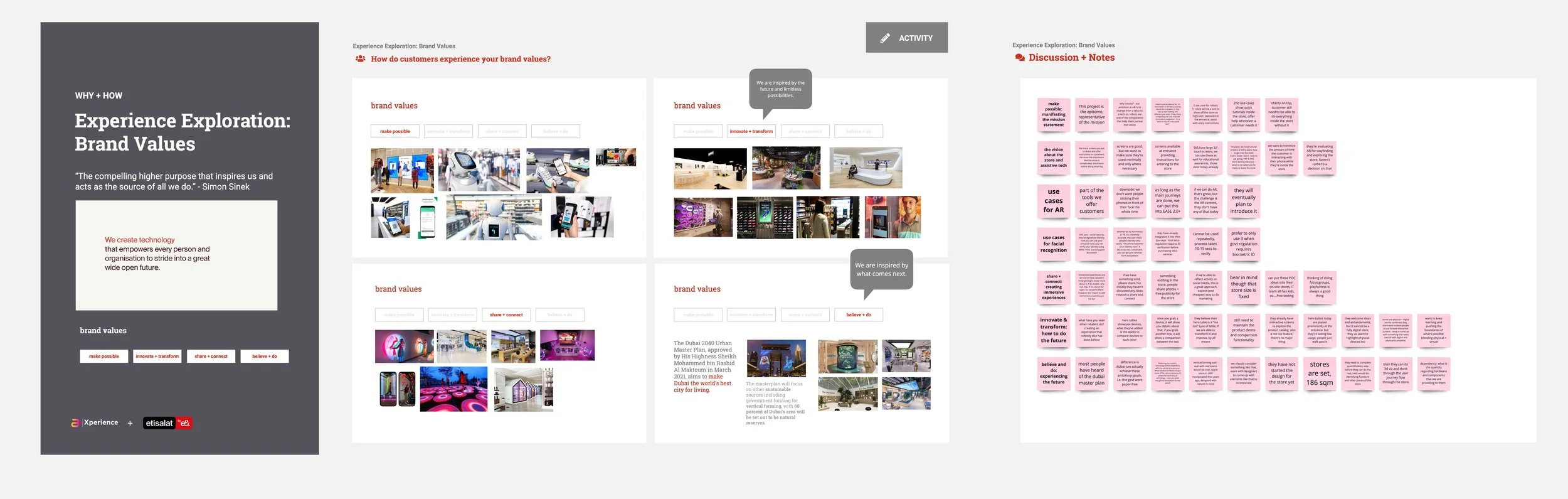
–Analysis of Etisalat brand guidelines and experiential principles to understand how customers were expected to experience the space, including tone, trust cues, accessibility, and behavioral expectations
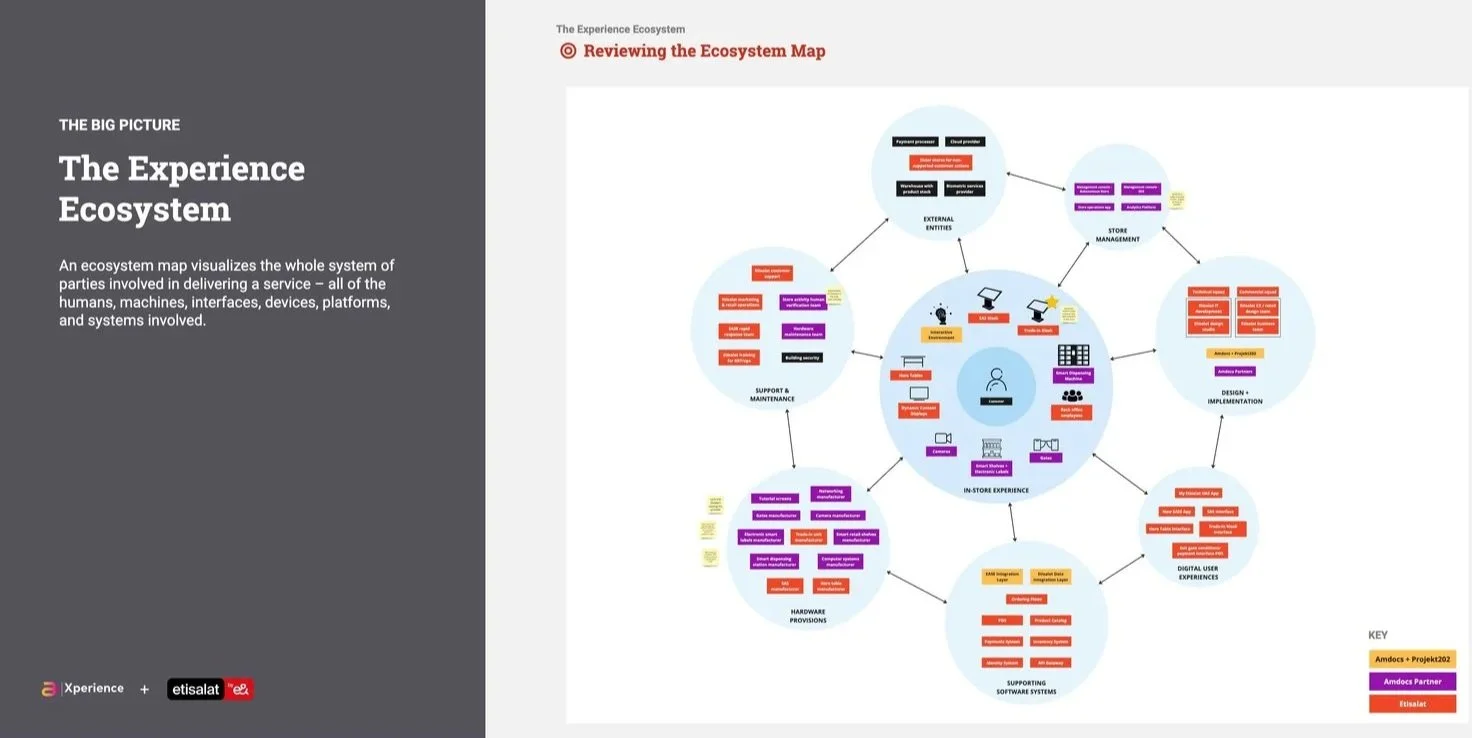
–Systems mapping across customer, AI, hardware, vendor, and operational layers
–Scenario-based analysis of normal and edge-case behaviors
–Translation of findings into formal requirements and SOW language
Brand guidelines were treated as system constraints, not visual inputs. They informed how the physical store experience should feel in a staffless environment and how that experience would need to extend coherently into the future EASE Store app, which was intended to be integrated into the existing Etisalat customer app rather than exist as a standalone product.
This ensured that physical space, system behavior, vendor responsibilities, and future digital touchpoints were aligned to a single experiential logic—without designing UI or building an app during the RFP phase.
System-Level Diagnosis
A consistent pattern emerged during workshops and system modeling:
–Autonomous retail success depended on orchestration across vendors, not individual technologies
–Failure modes were more dangerous than happy paths
–Operational risk increased sharply once humans were removed from the loop
–UX artifacts were required to make system behavior and responsibility boundaries legible across disciplines
The absence of an out-of-the-box solution like Amazon Go fundamentally transformed the problem. Instead of selecting a platform, the work became full-system orchestration across vendors, making ownership, exception handling, and recovery paths core UX and system design concerns.

The core insight was this:
"This engagement is not about designing a store. It is about designing an operating system composed of multiple vendors that must behave as one."
Operational Risks Identified
Through service blueprinting, scenario mapping, and requirements definition, I identified and documented critical risks, including:
Gaps between vendors in exception handling and recovery ownership
Identity and session management breakdowns during group entry or mixed payment flows
Inventory discrepancies caused by disagreement between vision systems and sensors
Customer trust erosion from opaque error recovery in a staffless environment
Operational blind spots once stores transitioned to remote monitoring
These were not theoretical risks. They were predictable failure modes in a multi-vendor, autonomous system and needed to be explicitly addressed in the RFP and SOW.
Rather than proposing isolated fixes, I designed a set of UX systems artifacts and requirements that functioned as coordination mechanisms across vendors and internal teams.
Key interventions included:
A comprehensive EASE Service Blueprint mapping customer actions, AI decisions, hardware behavior, vendor handoffs, backend orchestration, and recovery paths in a single system view
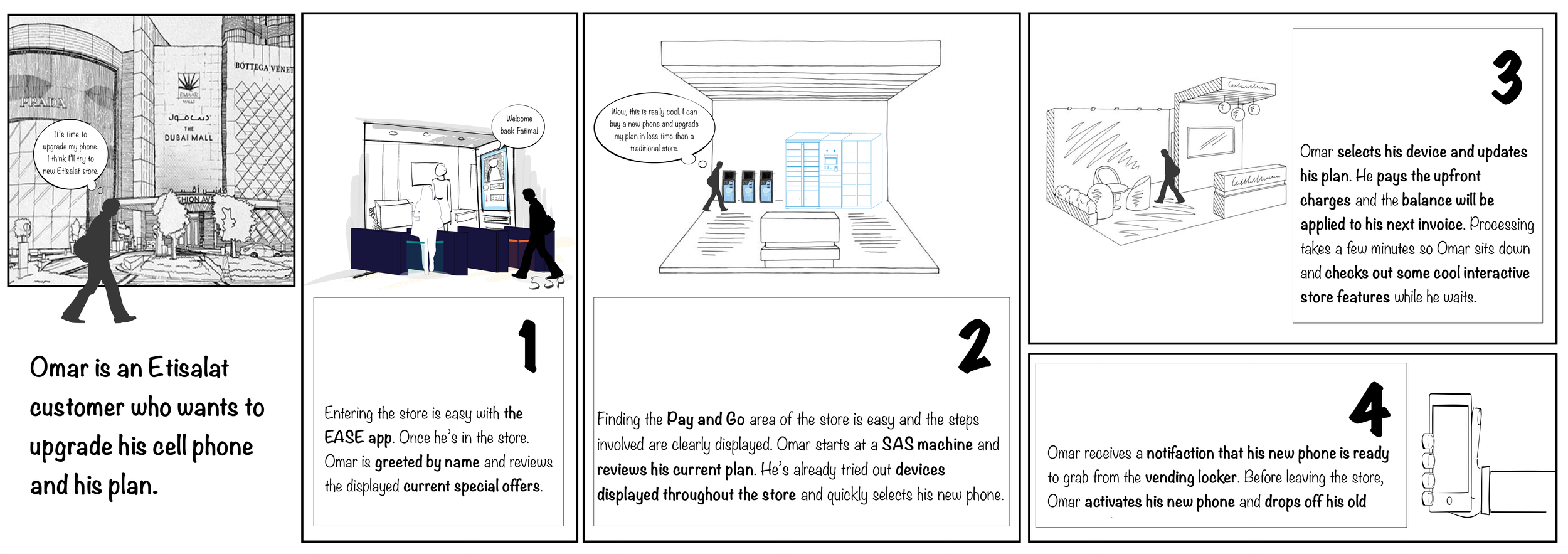
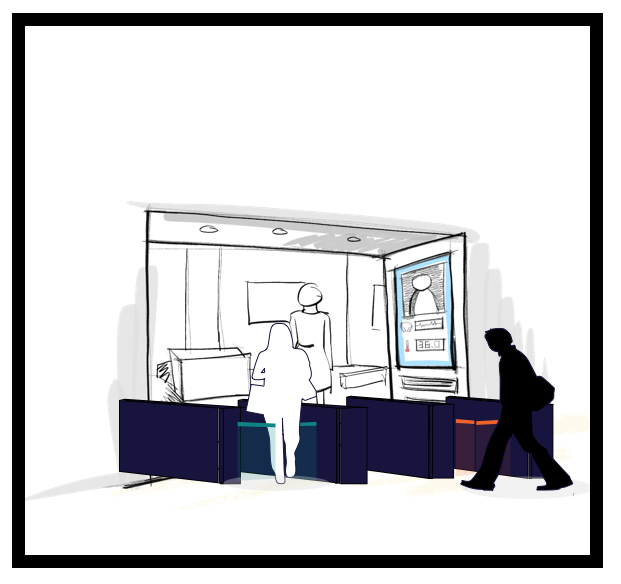
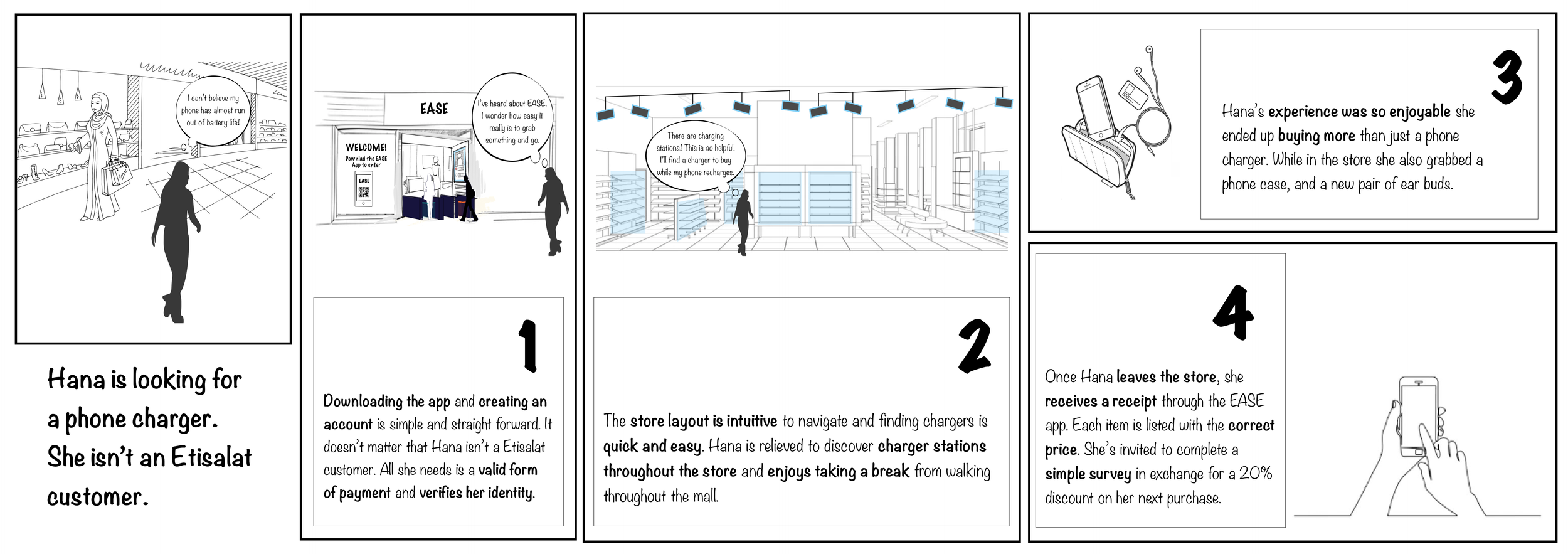
Scenario mapping and storyboards walking through critical and edge-case journeys such as group entry, failed scans, non-subscriber flows, and empty-cart exits
User, system, and operational requirements embedded directly into the RFP and SOW, defining scope, assumptions, vendor responsibilities, acceptance criteria, testing, and support expectations
Service design testing and validation plans, including crowd testing in live store environments across customer types
Operational readiness and support definitions covering RACI models, SLAs, escalation paths, and post-launch responsibilities
Together, these artifacts translated UX insight into contractual system specifications, enabling a custom vendor stack to operate as a coherent whole.
System Interventions Designed
Organizational Constraints and Decision Context
My role concluded at bid award. Post-award delivery was handled by regional Amdocs teams, consistent with the engagement model.
At the RFP stage, Etisalat and Amdocs leadership were required to commit to a complex, multi-vendor system in a region where no turnkey autonomous retail platform existed. The system specification I authored ensured that a decision was made with clear visibility into tradeoffs, risks, dependencies, and experiential implications.
The outcome validated the approach: Amdocs was awarded the $3M autonomous retail innovation contract, and Etisalat publicly announced the EASE Store concept shortly thereafter.
Impact
The engagement produced a durable impact:
Secured a $3M autonomous retail innovation contract
Enabled Etisalat to pursue autonomous retail without reliance on unavailable turnkey platforms
Established a repeatable operating model for staffless telecom retail using a custom vendor stack
Created a shared system-of-record used for evaluation and delivery planning
Demonstrated the value of UX systems design embedded directly into technical specifications
Key Takeaway
When turnkey solutions don't exist, success depends on systems thinking.
"Great product design emerges when system behavior and user experience are designed together — especially in automated environments where trust, clarity, and recovery matter as much as functionality."